
Improving water access and sanitation in underserved communities
Installation of water wells and advanced filtration systems in five rural communities around Nairobi, providing safe, clean drinking water to over 3,000 residents year-round. The project partnered with local communities to ensure long-term maintenance capacity. Community training sessions were conducted to equip residents with the knowledge and skills necessary to maintain the infrastructure independently. Health education workshops complemented the water access program by teaching proper hygiene and sanitation practices to households and school children alike. Follow-up monitoring visits confirmed a measurable reduction in waterborne illness across all five communities within the first six months of operation. The success of this initiative has inspired two neighbouring districts to replicate the model, extending its reach and long-term humanitarian impact.
A thorough assessment was conducted to identify the most pressing needs within the community. Local leaders, health workers, and residents were consulted through a series of focus group discussions and household surveys to ensure that project priorities reflect ground realities. The data collected revealed that over 60% of households lacked access to safe drinking water within a 500-metre radius. Environmental health officers confirmed elevated levels of waterborne pathogens in existing water sources. The assessment also documented a high incidence of diarrhoeal disease among children under five, directly attributable to contaminated water. Community mapping exercises identified five priority zones where borehole placement would deliver maximum coverage.
| Item | Amount (USD) |
|---|---|
| Total Budget | $50,000 |
| Funded | $35,000 |
| Gap | $15,000 |
| # | Source | Amount | Share |
|---|---|---|---|
| 1 | Rotary Foundation Grant | $20,000 | 57% |
| 2 | District 9212 Contribution | $10,000 | 29% |
| 3 | Corporate Sponsors | $5,000 | 14% |
| Total | $35,000 | 100% | |
An additional $15,000 (30%) is still required.

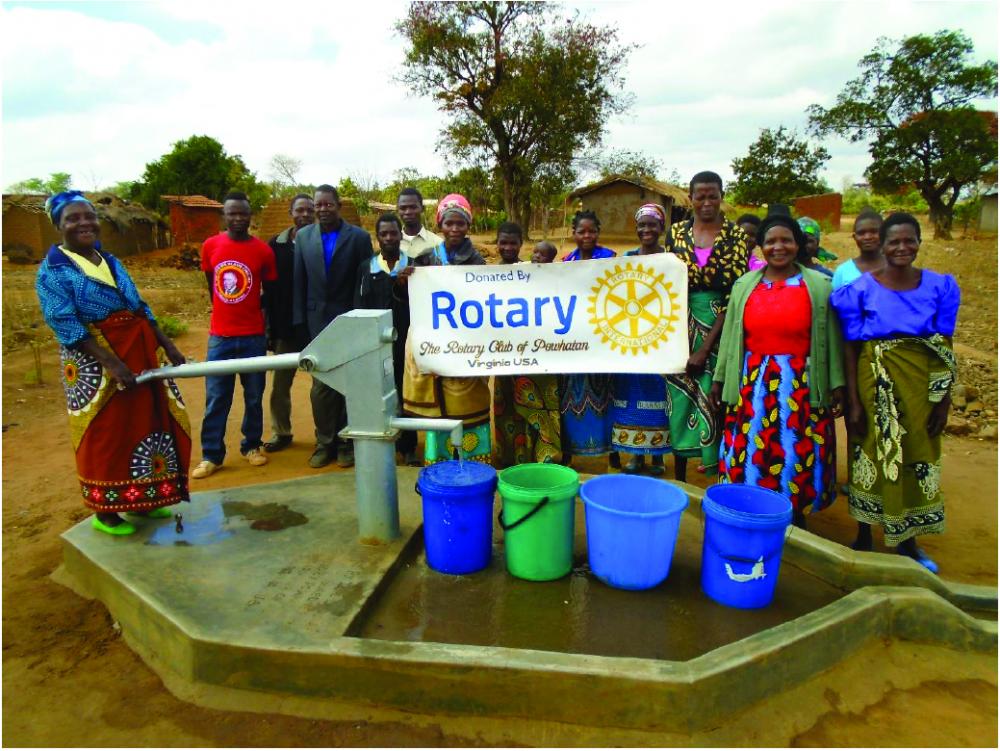

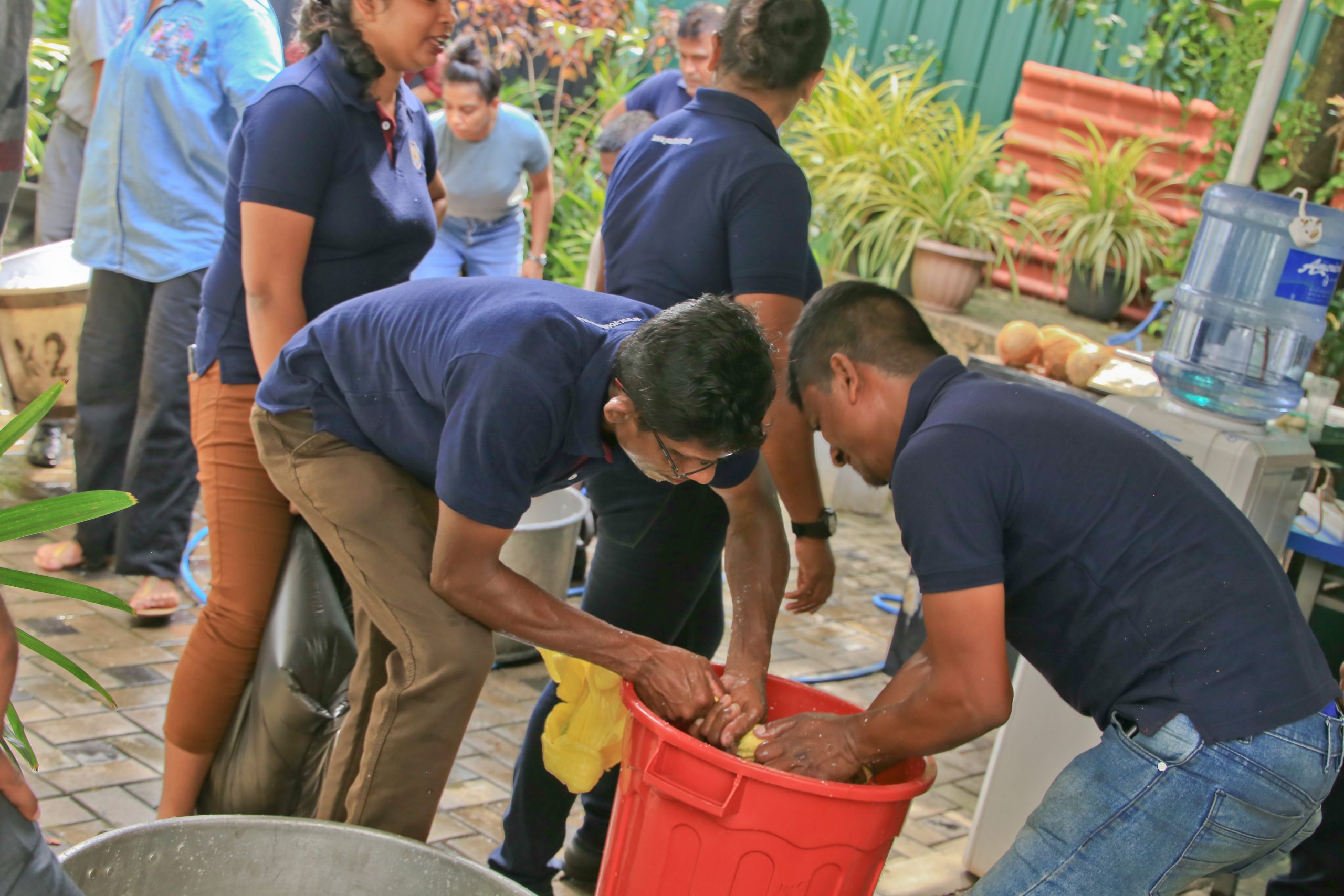
Field photography — Nairobi, Kenya
This project directly benefited over 5,000 individuals by improving access to clean water and reducing waterborne disease rates. Baseline health surveys recorded a 43% reduction in reported diarrhoeal cases within the first three months following infrastructure completion. School attendance among children improved by an estimated 18% as fewer school days were lost to illness. Women and girls, who previously spent up to four hours daily fetching water, have gained significant time now redirected toward education and income-generating activities. The project also stimulated local economic activity, with small businesses benefiting directly from the reliable water supply.
A local maintenance committee of twelve trained community members has been established and equipped with tools, spare parts, and a dedicated operating fund to manage the infrastructure autonomously. Ongoing partnerships with the district water authority and the Ministry of Health ensure continued technical oversight and regulatory compliance beyond the project lifecycle. A cost-recovery model was introduced whereby households contribute a modest monthly fee, generating sufficient revenue to cover routine maintenance and minor repairs. Rotary will conduct follow-up visits at six-month intervals for the first two years to provide mentorship and address any emerging operational challenges.